

Featured collections


7 products
Regular price
£20.56
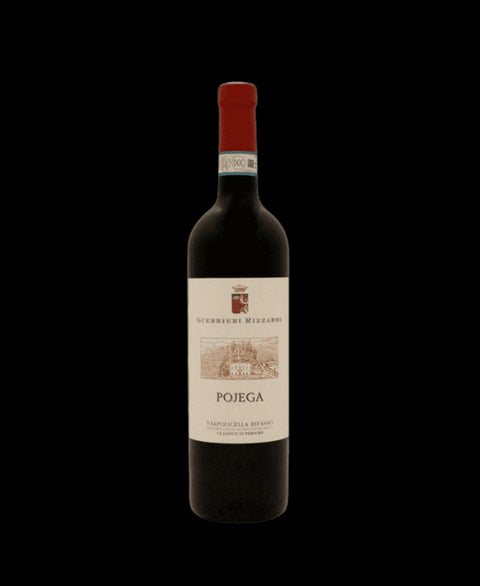
Guerrieri Rizzardi Valpolicella Ripasso Classico Superiore Pojega 2021
Sold Out
7 products

Country:,Italy
Grape:,Corvina Rondinella Molinara Corvinone
ABV%:,15
bottle Size:,75cl
Style:,Cork
Vintage:,2020

Country:,Italy
Grape:,Corvina, rondinella, corvinone
ABV%:,15
bottle Size:,75cl
Style:,Cork
Vintage:,2020

Country:,Italy
Grape:,Corvina Corvinone and Rondinella
ABV%:,13.5
bottle Size:,75cl
Style:,Cork
Vintage:,2022

Country:,Italy
Grape:,Corvina, rondinella, corvinone
ABV%:,15
bottle Size:,75cl
Style:,Cork
Vintage:,2022

Country:,Italy
Grape:,Corvina, rondinella, corvinone
ABV%:,13.5
bottle Size:,75cl
Style:,Cork
Vintage:,2020
Country:, Italy
Grape:, Corvina Rondinella Molinara Corvinone
ABV%:, 14.5
bottle Size:, 75cl
Style:, Cork
Vintage:, 2021

Country:,Italy
Grape:,Corvina Rondinella Molinara Corvinone
ABV%:,14
bottle Size:,75cl
Style:,Cork
Vintage:,2019
Few Italian wine regions offer such a remarkable range of expression within a single appellation. At one end of the spectrum sits fresh, light-bodied Valpolicella Classico - perfumed with sour cherry, dried herbs, and a whisper of almond - and at the other, the full, brooding power of Amarone della Valpolicella, where grapes are dried for months before pressing. Between them sits the style that perhaps generates the most excitement: Valpolicella Ripasso, re-fermented over the dried grape skins left from Amarone production, absorbing richness, structure, and complexity that far outpaces its relatively modest standing in the classification hierarchy.
Ever wondered why some Valpolicella wines taste like a Tuesday-night pour and others demand a special occasion? The answer lies in the vineyard and the winemaker's ambition. From bright, cherry-driven Classico to the layered intensity of Ripasso, our curated Italian selection rewards every level of curiosity - whether you're discovering the region or already devoted to it.
It's this versatility that draws us to the region. Whether you're browsing our Italian Wines for a relaxed weeknight bottle or something to open with a special supper, Valpolicella has an answer. The three principal grapes - Corvina, Corvinone, and Rondinella - each bring something distinct. Corvina gives the bright red fruit and structure; Corvinone adds body and complexity; Rondinella contributes aromatic lift. Together, they create wines that are unmistakably Veronese, carrying the personality of the Veneto hills in every glass.
If you've not yet encountered a ripasso wine, think of it this way: the winemaker takes an already complete Valpolicella Superiore and passes it again ("ripasso" translates literally as "re-passed") over the Amarone lees - the concentrated, partially dried skins still rich with sugar, flavour, and tannin. What emerges is a wine with significantly more depth, a warmer ABV typically sitting between 13.5% and 14.5%, and a texture that moves from light to genuinely satisfying. Dark cherry, dried fig, chocolate, and a hint of tobacco replace the simpler, fresher fruit of the standard Classico. It's often called "baby Amarone," though that slightly undersells its individuality.
For those exploring Italian Red Wines more broadly, Ripasso represents one of the most approachable entry points into the richer, more structured end of Italian winemaking - without asking you to commit to the commitment (and investment) that a serious Amarone demands. The Biscardo Neropasso Veneto Rosso 2023 hints at this philosophy, blending dried-grape technique with the freshness of Veneto terroir to deliver something genuinely compelling.
The spectrum of styles across wine Valpolicella means pairings shift significantly depending on which level of the hierarchy you're working with. A light Classico calls for different treatment than a structured Valpolicella Ripasso Superiore, and both differ entirely from Amarone. Here's how we think about it:
If you're planning an Italian-themed evening, pairing your Valpolicella with something from our Fine Wines range adds real occasion to the table - or consider completing the experience with proper Wine Glasses designed for medium-to-full-bodied reds.
One of the most common questions we hear is whether to decant. For Italian wine Valpolicella at the Classico level, decanting is optional - thirty minutes in a wide jug will open the aromatics, but it's not essential. For Ripasso and Amarone, decanting becomes increasingly worthwhile. A Valpolicella Ripasso Superiore from a serious producer will reward at least 45 minutes of air, allowing the concentrated fruit to separate from the tannin and present with much more elegance and precision.
On ageing: standard Classico is drink-now territory - within two to four years of vintage is ideal. Ripasso gains considerably with three to six years' cellaring, particularly from warmer vintages. Amarone is built for the long term, with top examples capable of developing over fifteen to twenty years or more. If you're exploring Veneto reds more broadly, our selection of French Red Wines and South African Red Wines offer fascinating points of comparison - especially when considering how different winemaking climates handle tannin and structure.
For those considering buy Valpolicella wine UK as a gift - whether for a birthday, a dinner host, or someone who already knows their way around an Italian wine list - Ripasso sits at a particularly rewarding sweet spot. It signals genuine thoughtfulness without requiring a lengthy explanation. The Quinta da Pedra Escrita Tinto 2020, while Portuguese rather than Italian, shares that same philosophy of textured, characterful winemaking that our editorial team values when selecting for this range.
We taste everything before it reaches these pages. Browse our gifts for wine lovers or explore the full Wines collection to find the bottle that fits your occasion - and trust that every recommendation here comes from direct experience, not a distributor's catalogue.
Standard Valpolicella is the lightest expression - fresh, cherry-driven, and best drunk young. Classico refers to wines made from the historic central zone of the appellation, generally considered higher quality. Superiore indicates a minimum of one year's ageing and a slightly higher alcohol level. Ripasso is re-fermented over dried Amarone skins, giving it substantially more body, richness, and complexity. Amarone is the pinnacle: made entirely from dried grapes (appassimento), it's full-bodied, concentrated, and built for cellaring. Each level represents a significant step up in intensity, structure, and production effort.
The nickname comes from the winemaking process: Ripasso is passed over the leftover skins from Amarone production, absorbing residual sugars, tannins, and dried-fruit character. The result shares some of Amarone's richness and warmth without quite matching its concentration or requiring its extended maceration. It's a compelling middle ground - and yes, Ripasso features in our selection. It's frequently the style we recommend to those who want something with real presence for an evening meal without the commitment of a full Amarone.
The backbone is Corvina Veronese, which must make up between 45% and 95% of any Valpolicella blend. Corvinone can partially substitute for Corvina (up to 50% of the blend), and Rondinella is permitted up to 30%. Molinara and Oseleta appear in some producer blends for additional complexity and colour depth. Corvina is the character grape - it delivers the signature sour cherry, dried rose petal, and earthy bitter-almond finish that makes Valpolicella so distinctively itself.
It depends entirely on the style. A light Classico is one of the most versatile red wines at the table - it works with everything from a margherita pizza to grilled sausages precisely because its acidity and moderate tannins don't compete with the food. Ripasso is better suited to richer dishes: slow-cooked ragù, osso buco, lamb shoulder, or a board of aged hard cheeses where the wine's concentration matches the depth of the food. For Amarone, think big: braised beef, venison, aged Pecorino, or even a piece of dark, bitter chocolate alongside.
For Classico, a brief decant of twenty to thirty minutes is pleasant but not essential. For Ripasso, we recommend at least forty-five minutes - it allows the wine to shed any initial tightness and present the dried-fruit and spice notes with more clarity. Amarone almost always benefits from a longer decant of one to two hours, sometimes more for younger vintages. If you've cellared a bottle for several years, decanting also allows you to separate any sediment that may have formed.

R18 Marshall Way
Commerce Park
Frome
Somerset
BA11 2FE
Company Registration: 14413561
VAT: 430642622
AWRS: XNAW 000 0012 0529
By clicking enter, I certify that I am over the age of 18