

What Is Orange Wine? A Complete Guide to Skin-Contact Wines

If you’ve spotted amber-coloured wine on a restaurant list or in your local wine shop, you might be wondering: what is orange wine? Despite the name, orange wine isn’t made from oranges. Instead, it’s a traditional style of white wine made using an ancient technique that gives it its distinctive colour, texture, and bold character.
In this guide, we’ll explain exactly what orange wine is, how it’s made, what it tastes like, and why it has become one of the biggest trends in modern wine.
What Is Orange Wine?
Orange wine is white wine made like red wine.
Normally, white wine is made by quickly separating the grape skins from the juice before fermentation. With orange wine, however, white grapes are fermented with their skins still attached — a process known as skin contact. This extended contact with the skins extracts colour, tannins, texture, and complex flavours, resulting in a wine that ranges from deep golden to burnt amber.
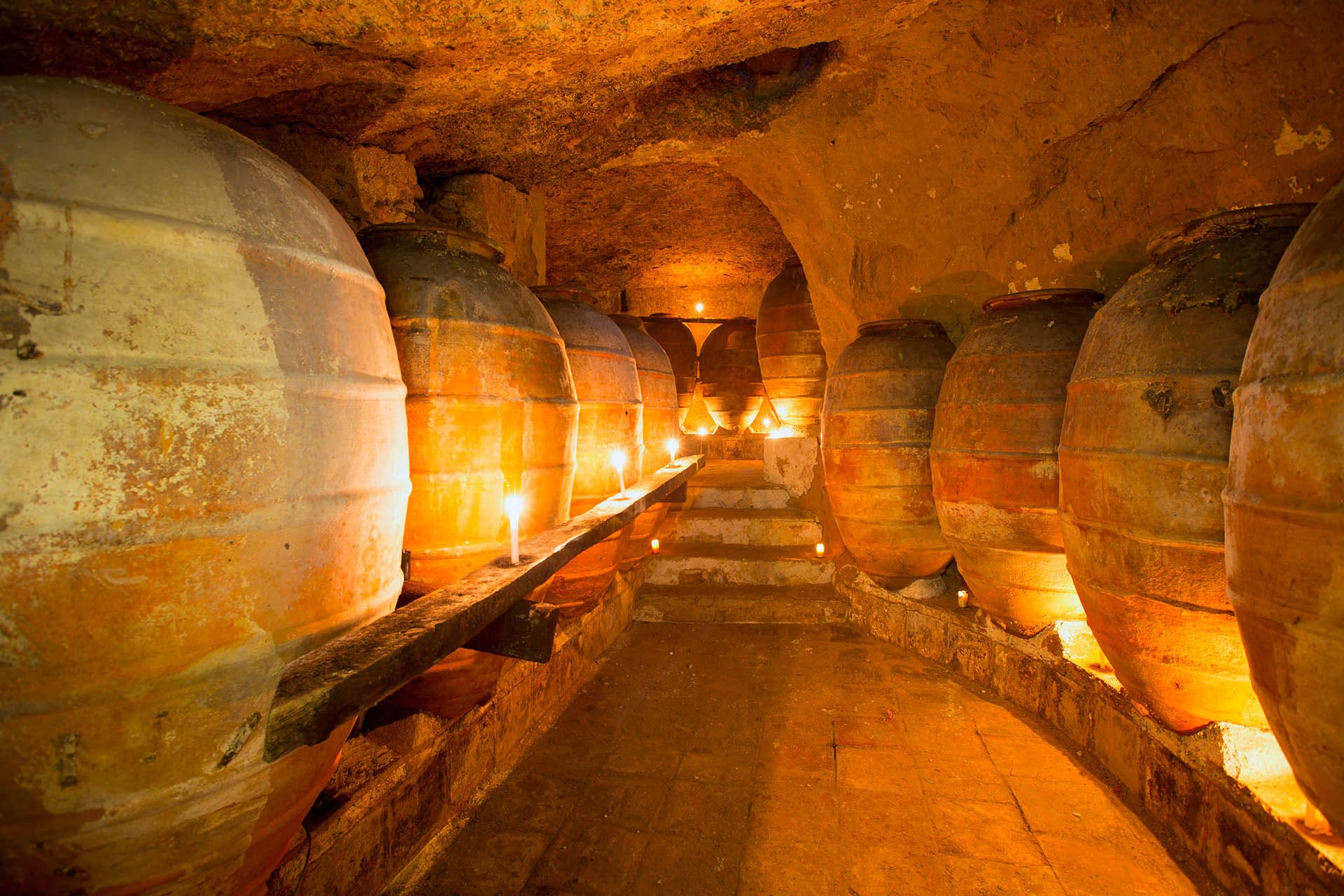
This technique isn’t new. It dates back thousands of years to regions such as Georgia, where wine was traditionally fermented in clay vessels called qvevri buried underground.

How Is Orange Wine Made?
The key difference lies in the fermentation process:
-
White grapes are harvested (common varieties include Ribolla Gialla, Pinot Grigio, and Sauvignon Blanc).
-
The grapes are crushed and fermented with skins, seeds, and sometimes stems.
-
Skin contact can last from a few days to several months.
-
The wine is pressed and aged, sometimes in amphora, oak barrels, or stainless steel.
Because of the tannins extracted from the skins, orange wine often has more structure than typical white wine — sometimes even resembling light red wine in texture.
What Does Orange Wine Taste Like?
Orange wine is bold, savoury, and complex. While flavours vary depending on grape variety and production methods, you can expect:
-
Dried apricot and orange peel
-
Honey and bruised apple
-
Nuts and spice
-
Herbal, tea-like tannins
-
A slightly oxidative character
Unlike fresh, crisp whites, orange wines are typically fuller-bodied with a textured mouthfeel and dry finish.
Is Orange Wine Natural Wine?
Not always — but there is strong overlap.
Many producers of orange wine also follow minimal-intervention practices associated with the natural wine movement. However, orange wine refers specifically to the winemaking method, not whether it is organic, biodynamic, or natural.
Why Is Orange Wine So Popular?
Orange wine has surged in popularity because:
-
It offers something different from traditional white wine
-
It pairs brilliantly with food (especially Middle Eastern, fermented, and spiced dishes)
-
It appeals to adventurous drinkers
-
It has a rich historical story
Its Instagram-friendly amber hue hasn’t hurt either.
What Food Pairs Well with Orange Wine?
Thanks to its tannins and structure, orange wine is incredibly food-friendly. It pairs particularly well with:
-
Roast chicken and pork
-
Hard cheeses
-
Charcuterie
-
Spiced vegetarian dishes
-
Fermented foods like kimchi
It works especially well when a white wine feels too light and a red feels too heavy.
Final Thoughts: Should You Try Orange Wine?
If you enjoy experimenting with flavour and texture, orange wine is absolutely worth exploring. It bridges the gap between white and red wine, offering depth, complexity, and a touch of ancient winemaking heritage in every glass.
Whether you’re new to skin-contact wines or looking to expand your palate, orange wine proves that sometimes the oldest techniques create the most exciting modern trends.


