

How to Decant Wine (And Why You Should)
Decanting wine often looks like a bit of dinner-party theatre — but it’s actually one of the simplest ways to dramatically improve how a wine tastes. Whether you’ve opened a bold young red or a treasured older vintage, knowing how to decant wine properly can elevate your drinking experience.
At Givino, Frome’s independent wine shop, we regularly recommend decanting to customers who want to get the very best from their bottle. Here’s everything you need to know.
What Does Decanting Wine Do?
Decanting wine serves two important purposes:
1. Aeration – Letting the Wine Breathe
When wine is exposed to oxygen, it begins to “open up”. Aromas become more expressive, flavours integrate, and tannins soften. This is especially important for young, structured red wines that can taste tight or harsh immediately after opening.
2. Removing Sediment
Older fine wines naturally develop sediment as they age. This is harmless but unpleasant in texture and slightly bitter in taste. Decanting separates the clear wine from this sediment before serving.
Which Wines Should You Decant?
Young, Bold Red Wines
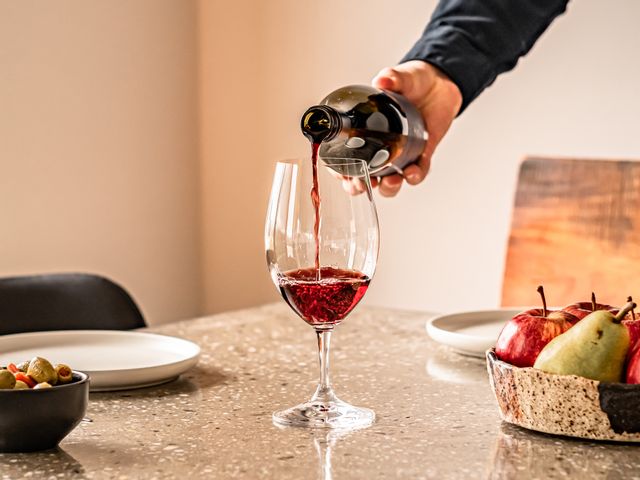
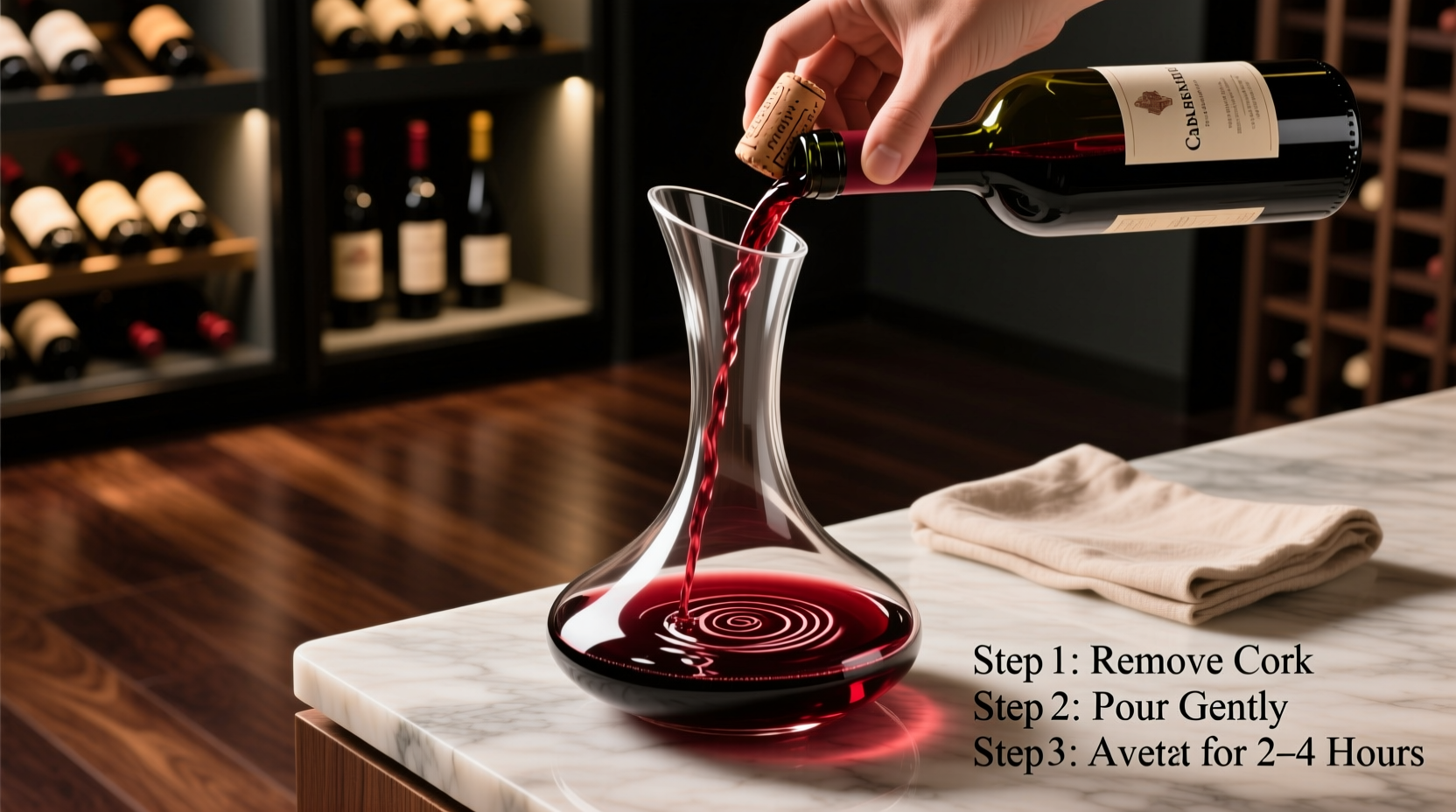
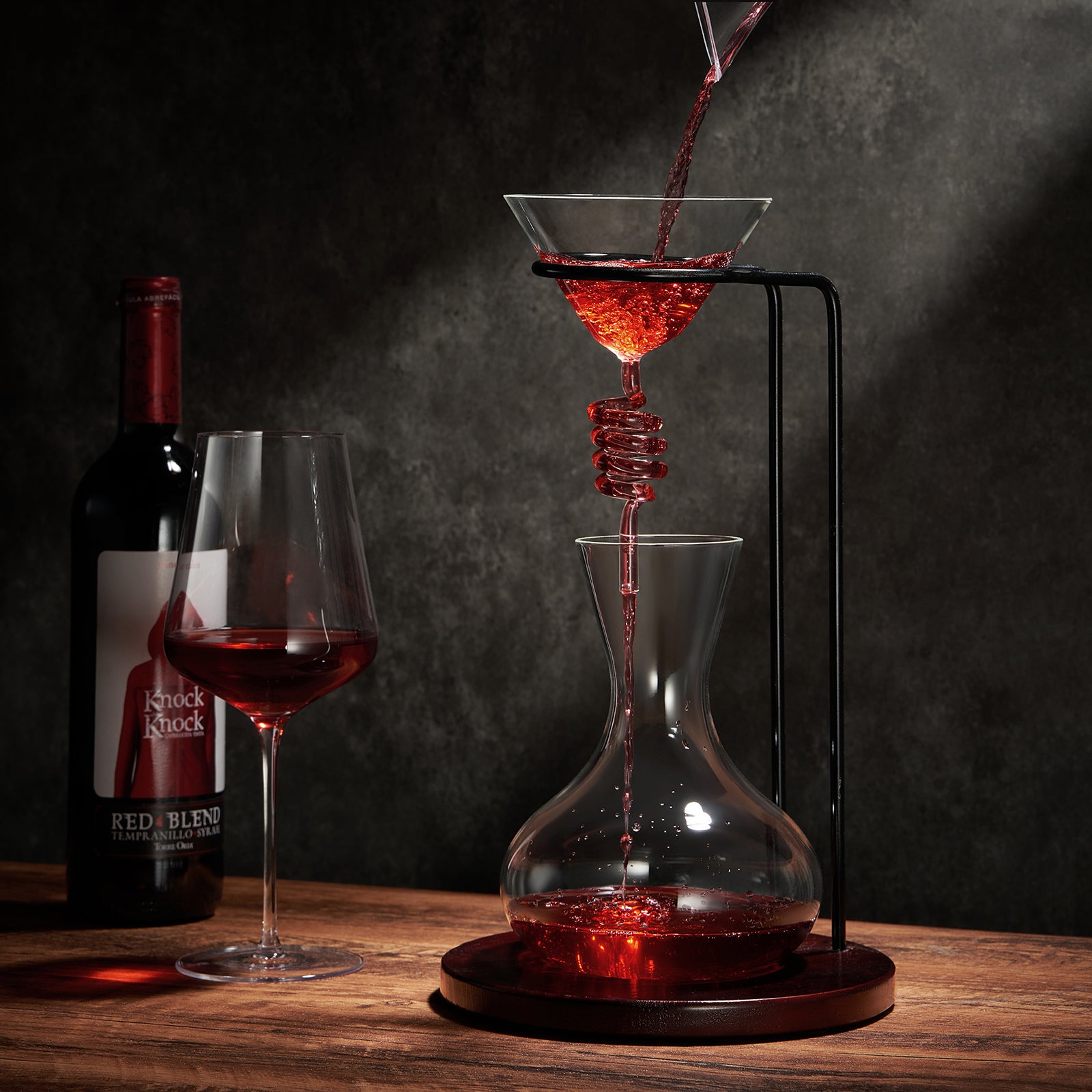

Full-bodied reds such as Cabernet Sauvignon, Syrah, Malbec and many Rioja or Bordeaux blends benefit greatly from oxygen. If a wine tastes overly tannic, closed or muted, 30–90 minutes in a decanter can transform it.
Mature or Aged Wines
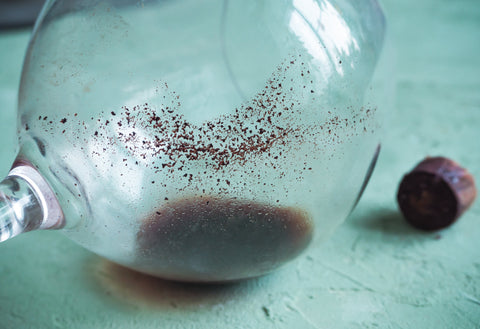

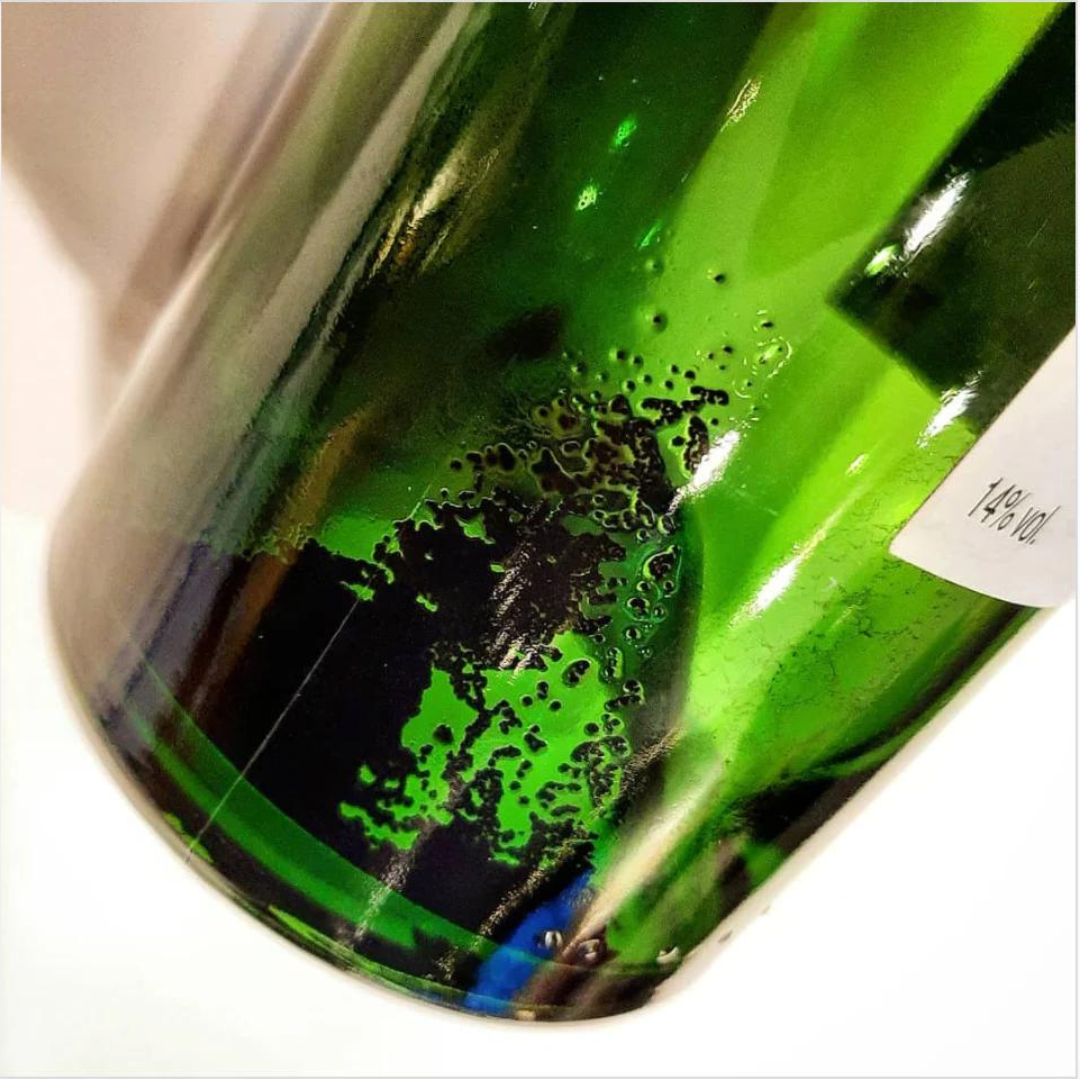

For older wines (typically 15+ years), the aim is gentle separation from sediment rather than heavy aeration. These wines are more delicate and should be served shortly after decanting.
Wines That Usually Don’t Need Decanting
-
Light-bodied reds (e.g. Beaujolais-style wines)
-
Most white wines
However, some premium oak-aged whites can benefit from 15–30 minutes of air if they seem tight or reductive.
How to Decant Wine Properly – Step by Step
Step 1: Stand the Bottle Upright
If decanting an older wine, stand it upright for several hours (or ideally 24 hours) beforehand. This allows sediment to settle at the bottom.
Step 2: Open Carefully
Remove the cork gently to avoid disturbing sediment.
Step 3: Pour Slowly and Steadily
Pour the wine into your decanter in one smooth motion. For older wines, watch the neck carefully and stop pouring once sediment reaches the shoulder of the bottle. Some people use a candle or phone torch behind the neck to help see clearly.
Step 4: Let It Breathe
-
Young, tannic reds: 1–2 hours
-
Medium-bodied reds: 30–60 minutes
-
Mature wines: Serve soon after decanting
If unsure, taste the wine every 20–30 minutes to monitor how it develops.
No Decanter? No Problem.
You can still aerate wine effectively:
-
Use a clean glass jug
-
Double decant (pour into a jug, rinse the bottle, pour back in)
-
Pour into large glasses and swirl generously
The key factor is surface area and oxygen exposure — not the shape of the vessel.
Why Decanting Makes Such a Difference
At Givino in Frome, we’ve seen countless wines transform with a little patience. Tannins soften. Fruit becomes more expressive. Complexity emerges. What initially feels tight or angular can become rounded and balanced.
If you’re opening a special bottle for a Sunday roast, dinner party, or celebration, decanting is often the difference between a good wine and a great one.
Final Thoughts from Givino, Frome
If you’ve invested in quality wine, it deserves to show its best side. Decanting is one of the simplest and most effective ways to enhance flavour and aroma — and it takes very little effort.
If you’d like advice on which wines benefit from decanting, visit Givino, R18 Marshall Way, Commerce Park, Frome, Somerset, BA11 2FE, or explore our online shop. We’re always happy to recommend bottles that truly shine with a little air.
Great wine isn’t just about what you buy — it’s about how you serve it. 🍷


