

Does Wine Go Off? How to Tell If Wine Has Gone Bad
A common question among wine drinkers is: does wine go off? The short answer is yes — wine can go bad. However, how and when it happens depends on whether the bottle is opened or unopened, how it’s stored, and the style of wine.
Understanding how wine deteriorates will help you avoid unpleasant surprises and get the best from every bottle.
Does Unopened Wine Go Off?
Yes, unopened wine can go off — but usually only if stored poorly or kept far beyond its intended drinking window.
Most wines sold today are designed to be consumed within one to five years of release. While some fine wines (such as those from Bordeaux) are built to age for decades, the majority are not.
Unopened wine can deteriorate if:
-
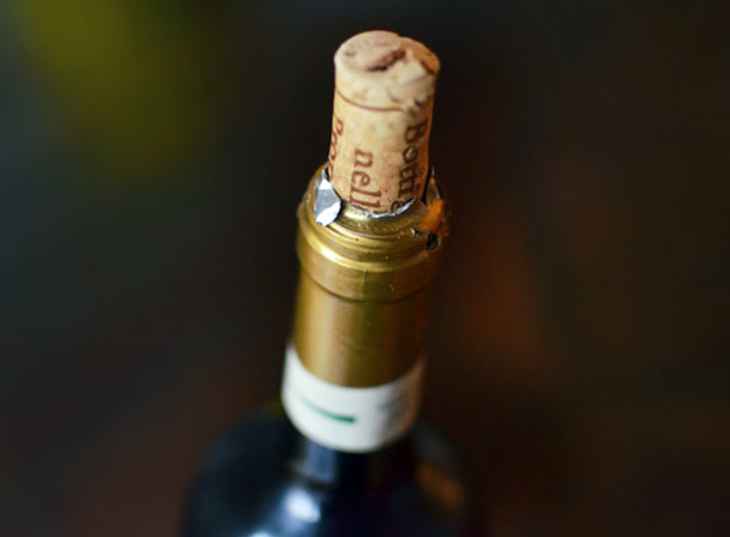
Stored upright for long periods (drying the cork)
-
Exposed to heat or temperature fluctuations
-
Left in direct sunlight
-
Kept somewhere too warm
When wine “goes off” in the bottle, it usually happens because oxygen has slowly seeped past the cork, causing oxidation.
Does Opened Wine Go Off?
Once opened, wine starts to deteriorate much faster due to oxygen exposure.
As a general guide:
-
Red wine: 3–5 days (recorked and refrigerated)
-
White and rosé wine: 3–5 days (refrigerated)
-
Sparkling wine: 1–3 days (with a proper stopper)
-
Fortified wine (e.g. Port): Several weeks
After opening, wine gradually loses freshness, fruit flavour, and aroma.
Signs Wine Has Gone Bad
If you’re unsure whether a bottle has gone off, look for these warning signs:
1. Smell
Wine that smells like:
-
Vinegar
-
Wet cardboard
-
Musty basement
-
Nail polish remover
…has likely oxidised or become corked.
2. Colour Change
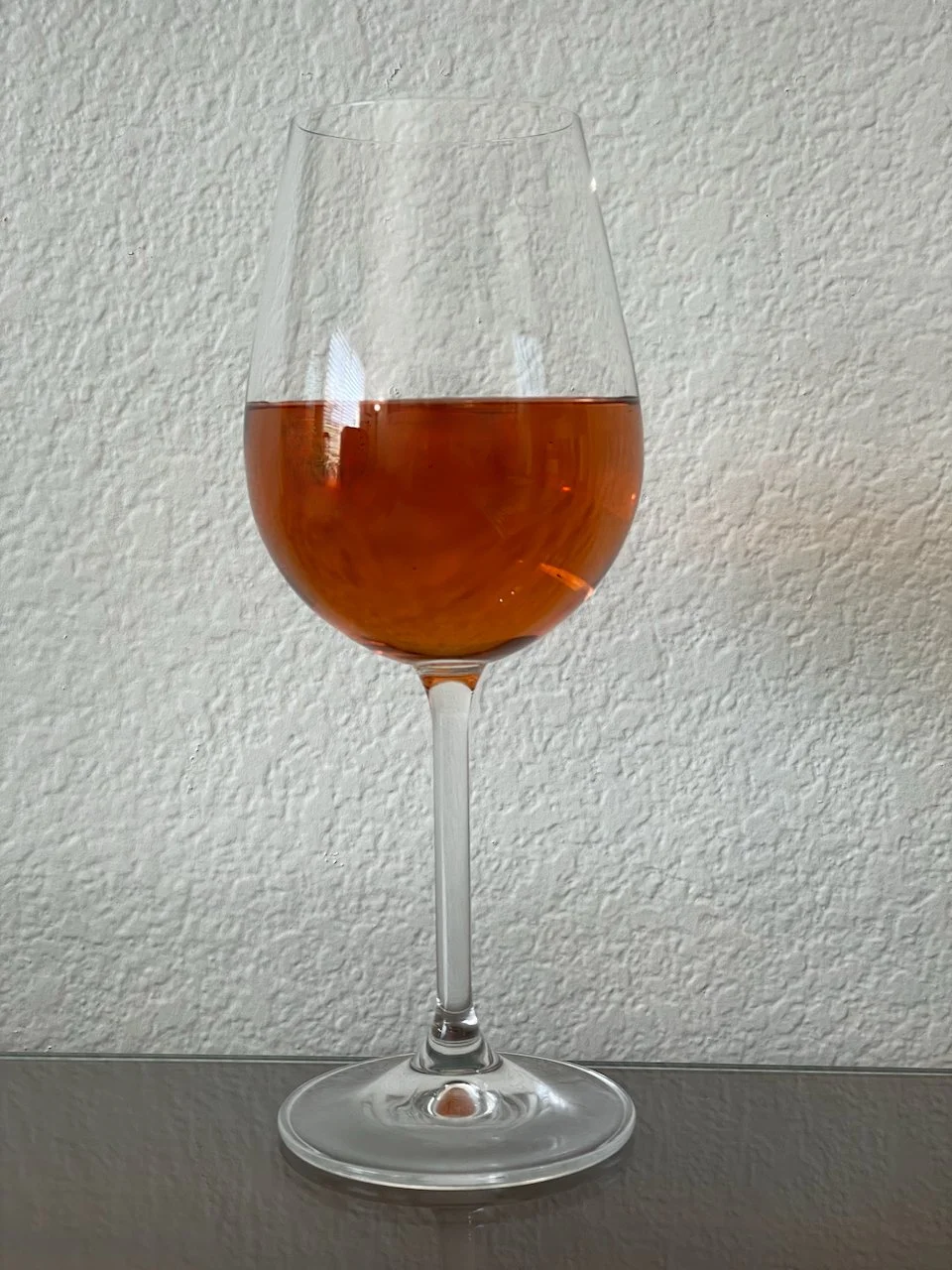
White wine turning deep brown or red wine becoming dull and brick-like can indicate oxidation.
3. Taste
If it tastes sour, flat, or harshly acidic, it may be past its best.
4. Fizz (When It Shouldn’t Be Fizzy)
If a still wine has unexpected bubbles, it may have begun re-fermenting.
Is “Off” Wine Dangerous?
In most cases, wine that has gone off is not dangerous — it just tastes unpleasant. The alcohol content and acidity make wine resistant to harmful bacteria. However, if it smells or tastes clearly wrong, it’s best not to drink it.

How to Prevent Wine Going Off
To keep wine fresh for as long as possible:
-
Store bottles on their side
-
Keep wine in a cool, dark place (around 10–15°C)
-
Avoid temperature swings
-
Refrigerate opened bottles
-
Use a vacuum pump to remove excess air
Good storage dramatically extends a wine’s lifespan and preserves flavour.
Final Thoughts: Does Wine Always Go Off?
All wine will eventually decline, but not all wine “goes bad” quickly. Proper storage and timely drinking make a big difference.
If a bottle smells fresh, tastes balanced, and looks clear, it’s likely fine to enjoy. When in doubt, trust your senses — your nose and palate are your best guides.
Wine is meant to be enjoyed at its peak, so rather than saving everyday bottles for years, open them, pour a glass, and savour them while they’re at their best.


